Key Takeaways
On paper, most cold plasma machines look similar: similar handles, similar claims, similar photos. What separates a good order from a bad one is usually everything around the machine — documentation for your market, training for your staff, spare parts when a handle wears out, and consumable tips you can still buy a year later. For a salon buying one unit, a weak supplier means a dead investment. For a distributor placing container orders, it means unhappy salon customers and warranty costs landing on you.
So before comparing prices, run the checklist below. It takes one email to answer most of it — and how quickly a supplier answers is itself a test result.
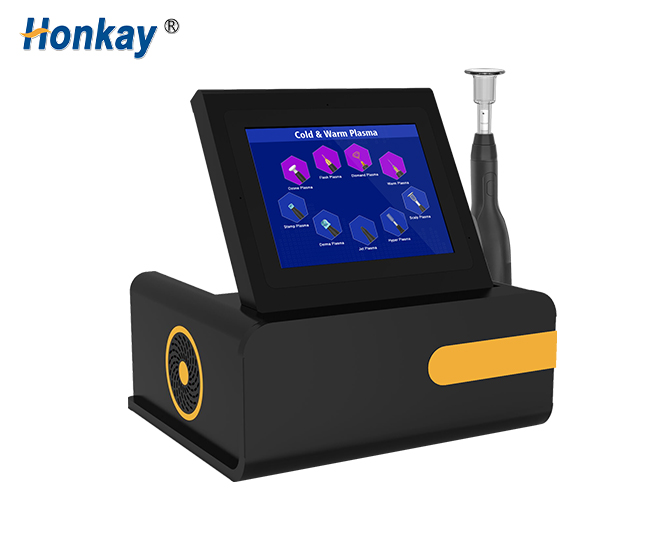
Ask directly: Do you manufacture these units, or trade them? A factory can show you production lines, name the parts inside the machine, customize voltages and handles, and explain exactly how each function works. A reseller forwards your questions and adds margin. The fastest test: ask one technical question (for example, how the cold plasma output differs across handle types) and see whether the answer sounds like the person who built the machine or the person who listed it.
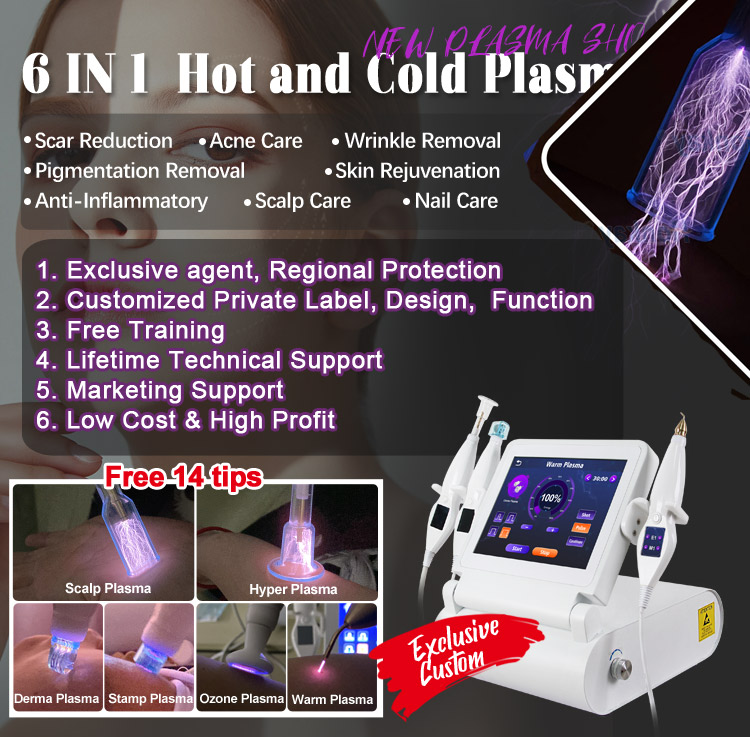
Ask for the paperwork before discussing price: CE, EMC, ROHS and LVD documentation, plus the product manual in English. A serious manufacturer sends these the same day — they are standard export documents. If a supplier hesitates, promises "later," or sends photos of certificates instead of copies, treat it as a red flag. For distributors, documentation is not a formality: it determines whether the machines can clear customs smoothly and be presented professionally to salon buyers.
A machine in a box is not a service on your menu. Ask what training comes with the unit: Is there online training? Written treatment guidelines? Can your front-desk staff understand the service well enough to sell it? Suppliers who manufacture their own devices can explain the treatment flow from experience; suppliers who only ship boxes cannot. Good training shortens the gap between delivery and first paying client — which is what actually determines your payback period.
Two questions predict after-sales quality better than any promise:
Then confirm the warranty terms in writing: what is covered, for how long, and whether spare parts ship with the order. A written warranty and a spare-parts plan are cheap for a factory to offer and expensive for a reseller to honor.
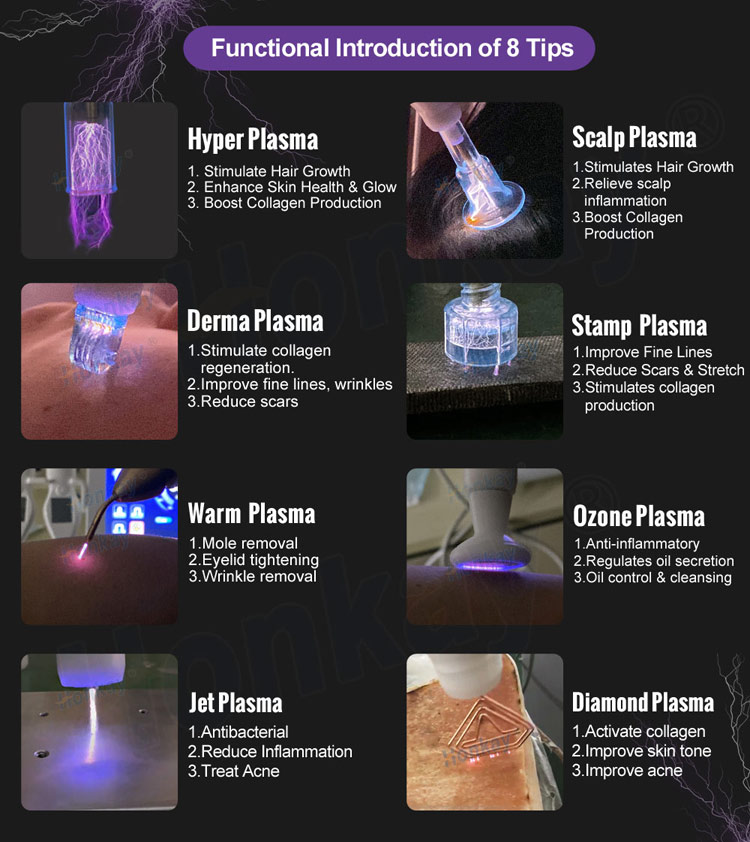
Once checks 1–4 pass, compare prices — but compare total landed cost, not the quote on the screen:
| Cost element | What to confirm | Where buyers get burned |
|---|---|---|
| Unit price | FOB price per unit at your order quantity | Comparing MOQ 1 vs MOQ 50 quotes as if equal |
| Shipping | Sea vs air, voltage/plug for your market | Surprises at customs; wrong plug type |
| Consumables | Tip price and long-term availability | Cheap machine, expensive tips later |
| Customization | OEM/ODM fee, MOQ for branded units | Paying reseller margin for "custom" stickers |
| After-sales | Warranty terms, spare parts plan | Dead unit = dead investment |
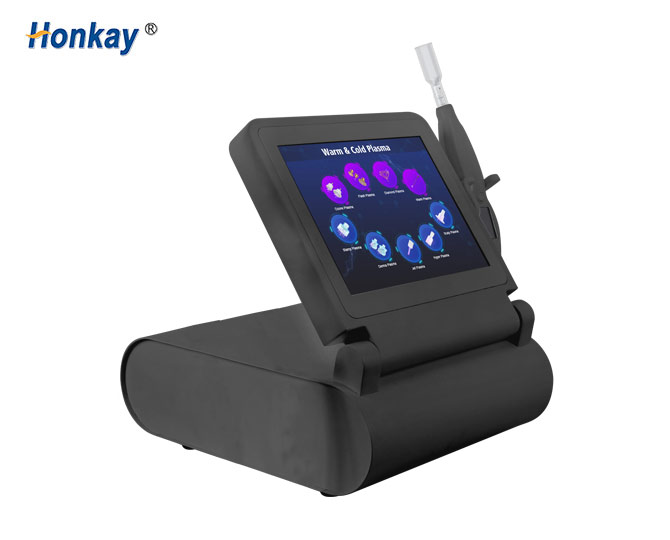
Print this list and send it with your first inquiry — a good supplier will enjoy answering it:
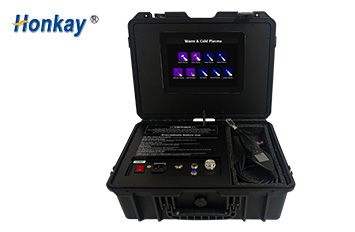
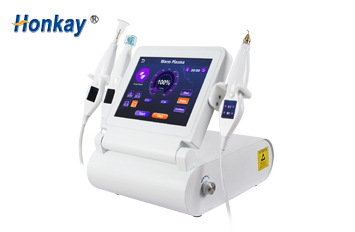
Factory-direct flagship for salons and chains — full OEM/ODM support and document set.
View product →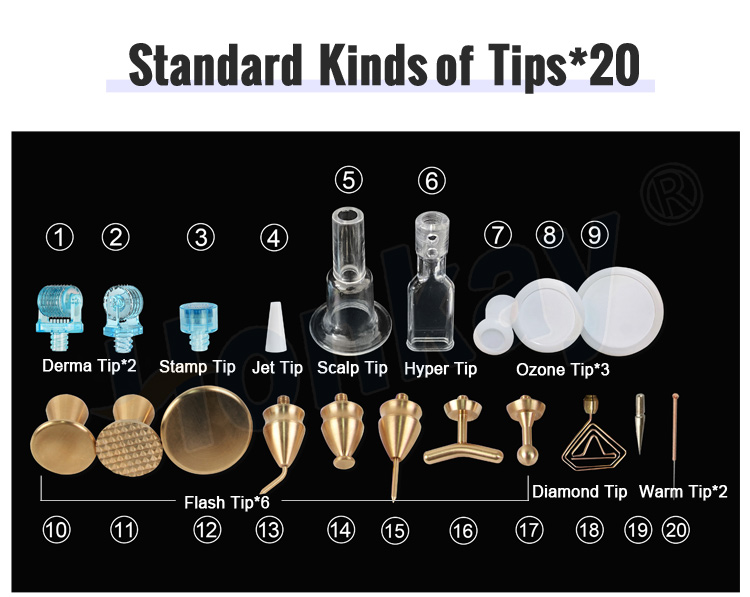
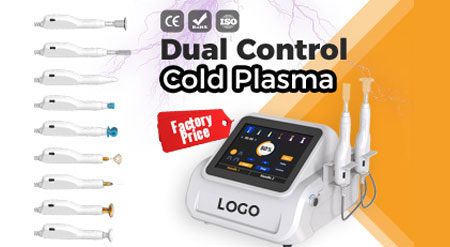
Patented handle design — a differentiator distributor customers can see and demo.
View product →
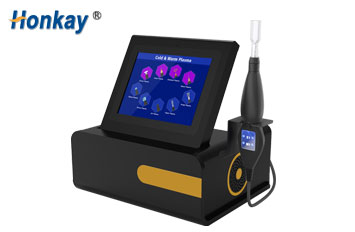
Professional-grade unit for buyers who want a premium line item in the catalog.
View product →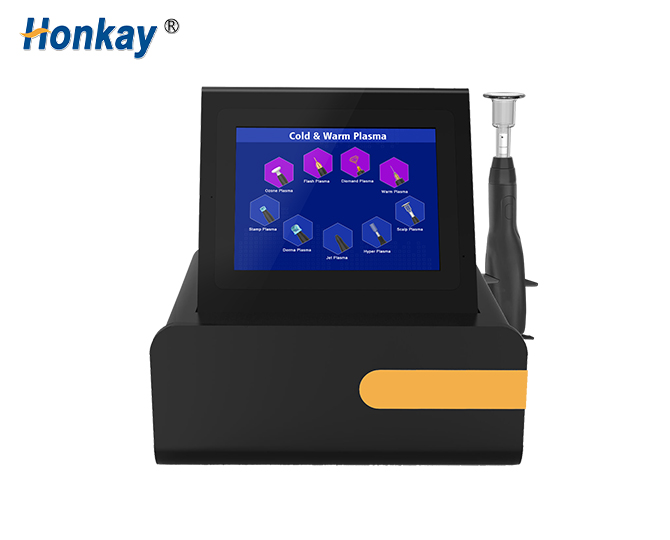
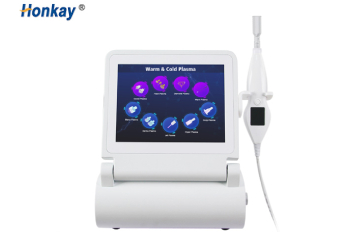
Nine functions in one handle — a compact, easy-to-ship bestseller for distributors.
View product →What MOQ should I expect for OEM/ODM orders?
It varies by how deep the customization goes — logo-only orders can start low, while fully branded manuals and packaging usually need a larger run. Ask the supplier to quote MOQ for each customization level separately.
Which certificates matter most for import?
CE with EMC and LVD, plus ROHS, are the standard export document set for beauty equipment into most markets. Confirm your destination country's exact requirements with the supplier before ordering — and expect the documents the same day you ask.
How do I test a supplier's after-sales before paying?
Send one real technical question before ordering and time the reply. Then ask where consumable tips will come from in six months. A factory answers both from experience; a reseller forwards your email.
Is a lower price ever the right reason to choose?
Only after checks 1–4 pass. Between two factories with equal documentation, training and warranty, then price decides. Before that, the cheap quote is just the most expensive risk in the deal.
What should distributors ask about shipping?
Voltage and plug type for your market, sea vs air options, and the packing method for the handles. These three details prevent most first-order problems.
A cold plasma order is really two purchases: the machine, and the supplier behind it. Run the five checks — factory proof, documentation, training, after-sales and total landed cost — before you compare a single price. The suppliers who answer fast, completely and in writing are telling you how they will behave when a handle breaks or a shipment clears customs. Choose the partner, not just the product, and the machine will pay for itself.
Honkay is a beauty-equipment manufacturer specializing in plasma devices for salons, spas, skin-care centers and distributors — with factory-direct pricing, OEM/ODM branding, CE/EMC/ROHS/LVD documentation, online training with every unit and a written warranty. Tell our team which services you plan to offer and your target country, and we will confirm the right handle set, voltage and shipping method for your market.


 English
 中文