

 English
 中文
中文
I. Pressure Therapy Devices: The Rising Star in Aesthetic Medicine and Wellness
1.1 What Is a Pressure Therapy Device?
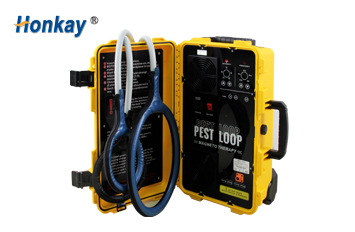
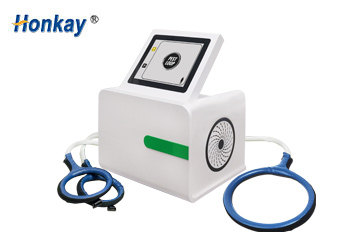
Pressure therapy devices are electronic medical equipment that operate based on the principle of applying pressure to peripheral body parts (such as arms, legs, and abdomen). They find extensive applications across multiple fields including medical aesthetics, rehabilitation, and fitness.Its core structure consists of wearable accessories (e.g., leg sleeves, arm sleeves, abdominal belts) equipped with air chambers. Through the orderly inflation and deflation of these chambers, it generates intermittent compression, mimicking the mechanical effects of professional massage to deliver multiple health and beauty benefits. Compared to traditional manual massage, pressure therapy devices enable precise control over compression intensity, frequency, and coverage area while maintaining stable operation over extended periods, significantly enhancing treatment standardization and efficiency.
1.2 Core Mechanism: Triple Action of Pneumatic Drive
The device's operational logic centers on "intermittent pneumatic compression technology," achieving therapeutic effects through three key steps: First, the device inflates air chambers sequentially from the extremities toward the core, creating a gradient pressure differential.Second, the chambers maintain the set pressure for a defined duration, ensuring thorough pressure application to subcutaneous tissues and blood vessels. Finally, chambers rapidly deflate, allowing brief relaxation of limb tissues to complete one compression cycle. During this cyclical process, the gradient pressure propels lymphatic fluid and venous blood toward the heart while gently stimulating subcutaneous fat and connective tissues. This achieves multiple benefits including lymphatic drainage, improved blood circulation, and reduced edema.
1.3 Why Has It Become Essential Equipment for Institutions?
In recent years, pressure therapy devices have become standard equipment in beauty salons, physical therapy clinics, and fitness centers. This widespread adoption stems from their dual advantage of balancing "user experience" and "commercial value." For users, the treatment is non-invasive, pain-free, and comfortable. Clients can relax through out the session without enduring the drawbacks of traditional therapies, such as incisions or discomfort.For institutions, the equipment is simple to operate and easy to master. Staff can become proficient after brief training. With low per-session costs and moderate price points, it rapidly fosters stable repeat business. Furthermore, its applications span high-demand areas like body contouring, rehabilitation, and detoxification. It integrates seamlessly with existing services to create differentiated packages, significantly boosting competitiveness.
II. In-Depth Analysis: How Pressure Therapy Devices Work
2.1 Intermittent Pneumatic Compression: Unveiling the Core Technology
Intermittent pneumatic compression technology forms the "heart" of pressure therapy devices, with its core advantages lying in "controllability" and "gradient effects."Traditional compression devices typically employ uniform pressure application, which can obstruct local blood circulation. In contrast, pressure therapy devices utilize microcomputer control systems to precisely adjust the inflation pressure (typically ranging from 20-120 mmHg) and inflation intervals (0.5-3 seconds) for each air chamber based on the treatment area (e.g., legs vs. abdomen) and user needs (e.g., daily relaxation vs. post-surgical recovery).Taking leg therapy as an example, the device initiates inflation from the ankle chamber, progressively extending upward to the calf and thigh, creating a "bottom-up" pressure gradient. This gradient design perfectly aligns with the direction of venous and lymphatic return in the human body, maximizing fluid circulation efficiency and preventing blood stasis.
2.2 Mechanism of Action for Four Core Functions
Based on the above technology, the pressure therapy device delivers four core benefits: First, lymphatic drainage and detoxification. The gradient pressure directly compresses lymphatic vessels, accelerating lymph fluid flow to promote the elimination of metabolic waste (such as urea and lactic acid) and toxins, thereby alleviating edema caused by impaired lymphatic circulation. Second, improved venous return.Pressure applied to veins propels blood toward the heart, reducing venous pressure and significantly alleviating varicose veins and leg heaviness. Third, Edema Reduction. By enhancing fluid circulation, it diminishes interstitial fluid accumulation, proving particularly effective for post-surgical edema and menstrual-related swelling. Fourth, Tissue Stimulation and Repair.Gentle cyclic pressure stimulates subcutaneous fat cell metabolism while activating fibroblast activity, helping improve skin elasticity and reduce cellulite.
2.3 Air Chamber Synergy: The Key to Precision Treatment
The number of air chambers and their coordinated operation directly determine treatment precision. High-quality pressure therapy devices typically employ multi-chamber designs (e.g., leg sleeves with 6-12 chambers), each independently controllable for inflation and deflation.During treatment, the device controls chamber inflation in pre-set groups. For instance, to target the posterior calf for sculpting, pressure in calf chambers can be set higher than thigh chambers or inflation time extended. This precision control enables both full-body treatments and localized targeting (e.g., ankles, waist/abdomen), adapting to diverse personalized needs.
III. Core Application Scenarios: A Versatile Device Covering Diverse Needs
3.1 Body Contouring and Detoxification: The "Golden Assistant" for Fat Reduction
In body contouring, the pressure therapy device does not directly "burn fat" but achieves dual effects of "aiding fat reduction + body shaping" by enhancing metabolism. On one hand, gradient pressure promotes systemic blood circulation, increases cellular oxygen supply, accelerates energy expenditure in fat cells, and boosts fat-burning efficiency during aerobic exercise or fat-reduction treatments (like cavitation ultrasound lipolysis).On the other hand, it effectively expels excess bodily fluids, alleviating water-retaining obesity and rapidly reducing waist and leg circumferences for "instant contouring" results that boost user confidence. Additionally, as a standalone detoxification treatment, it aids individuals with sedentary lifestyles or sluggish metabolism in eliminating toxins, improving dull complexions and alleviating bodily heaviness.
3.2 Lymphatic Drainage Therapy: Post-Surgical Recovery and Chronic Edema Solution
Lymphatic drainage represents a classic application of pressure therapy devices, particularly suited for post-surgical recovery and chronic edema management.For patients who have recently undergone medical aesthetic procedures like liposuction or mesotherapy, impaired lymphatic circulation post-procedure often leads to swelling and bruising. Gentle treatment with the pressure therapy device accelerates lymphatic drainage, reduces tissue fluid accumulation, and significantly shortens swelling resolution time (typically by 30%-50%), while also lowering infection risk.For individuals prone to chronic lower limb edema, such as those with prolonged standing occupations or pregnant women, regular use alleviates leg heaviness and soreness while preventing complications like varicose veins.
3.3 Post-Surgical Recovery: Gentle and Efficient "Pain Free Repair"
Beyond aesthetic procedures, pressure therapy devices play a vital role in surgical recovery and sports injury rehabilitation. For invasive treatments like liposuction or laser therapy, adjusting to low-pressure mode (20-40 mmHg) promotes blood circulation without irritating wounds, accelerating bruise resolution and tissue repair.For sports injuries like joint damage or muscle strains, its gentle pressure cycles relax tense muscles, alleviate pain, and enhance nutrient delivery to injured areas, accelerating recovery. Compared to traditional rehabilitation methods, its pain-free and comfortable nature significantly improves patient treatment compliance.
3.4 Cellulite Improvement: Restoring Skin Elasticity at the Root Cause
Cellulite formation is closely linked to subcutaneous fat accumulation, connective tissue laxity, and poor blood circulation. The pressure therapy device addresses this issue through a dual mechanism of "pressure stimulation + circulation enhancement": On one hand, the mechanical stimulation created by alternating inflation and deflation breaks down fibrotic fat tissue beneath the skin, reducing the lumpy appearance of fat deposits;On the other hand, accelerated blood circulation delivers ample nutrients to the skin, activating collagen and elastic fiber synthesis to improve skin laxity. Clinical data shows that combining pressure therapy with RF (radiofrequency) or laser body contouring enhances cellulite improvement by 2-3 times, with longer-lasting results.
3.5 Sports Rehabilitation and Muscle Relaxation: The Athlete's "Personal Massage Therapist"
In sports, pressure therapy devices have become essential recovery tools for professional athletes and fitness enthusiasts. Post-exercise, muscles accumulate significant lactic acid, causing soreness and stiffness. The device's gradient pressure rapidly promotes blood flow, accelerating lactic acid metabolism and alleviating muscle soreness (typically reducing discomfort by over 40% after a single 30-minute session).Additionally, using the low pressure mode before competition promotes blood circulation and enhances muscle oxygenation, serving as an effective "warm-up." Post-competition use rapidly relaxes muscles, reducing the risk of sports injuries. Currently, most professional sports teams and high-end gyms have equipped themselves with this device to provide personalized rehabilitation services.
3.6 Medical and Health Applications: Chronic Disease Management and Sub-Health Conditioning
In medical settings, pressure therapy devices serve as adjunctive treatments for alleviating symptoms of various chronic conditions. For varicose vein patients, their gradient pressure aids venous blood return, reduces venous pressure, and relieves leg heaviness and protruding veins. For diabetics, they improve lower-limb circulation and lower the risk of foot ulcers.For bedridden or immobile patients, regular use prevents deep vein thrombosis (DVT) and muscle atrophy. In addressing suboptimal health, its comfortable treatment process alleviates chronic fatigue and excessive stress among working professionals, promoting relaxation and improved sleep quality to achieve "passive wellness."
IV. Precision Customization: Application Solutions for Different User Groups
4.1 Beauty Salons & Body Sculpting Studios: High Repurchase Profit Combinations
The core objectives for beauty salons and body sculpting studios are "increasing average transaction value + boosting repeat purchases." Pressure therapy devices can achieve this through "package combinations."Recommended core packages include: 1. "Golden Body Sculpting Package": Pressure therapy + cavitation ultrasound lipolysis + RF radiofrequency. First breaks down fat cells via lipolysis, then accelerates fat metabolism and elimination with pressure therapy, followed by skin tightening with RF. Entirely pain-free, ideal for users seeking rapid body sculpting. Priced at ¥2,980–4,980 for 10 sessions.Second, the "Lymphatic Detox Package": Pressure Therapy + Essential Oil Massage. Targets individuals with sedentary lifestyles or irregular sleep patterns, emphasizing detoxification and edema reduction. Priced at ¥980–1580 for 10 sessions, ideal as a customer acquisition and traffic driving offering.Third, the "Postpartum Recovery Package": Combines abdominal and leg pressure therapy with pelvic floor muscle rehabilitation to address postpartum edema and rectus abdominis diastasis. Priced at ¥3,980–6,980 for 15 sessions, it precisely targets postpartum mothers. From a commercial return perspective, the device incurs only ¥5–10 per treatment session. The aforementioned packages achieve gross profit margins exceeding 80%, enabling most institutions to recoup their investment within 3–6 months.
4.2 Medical Clinics and Physical Therapy Centers: Core Tools for Professional Rehabilitation
Medical clinics and physical therapy centers must emphasize "professionalism," positioning pressure therapy devices as core equipment for lymphatic drainage, post-surgical rehabilitation, and pain management. For lymphatic drainage therapy targeting breast cancer patients with post-surgical lymphedema, employ low-pressure settings (30-50 mmHg) with extended treatment cycles (40 minutes per session, 3 times weekly, 12 weeks per cycle) to restore lymphatic circulation.For post-surgical rehabilitation, a "stepwise pressure protocol" can be designed for liposuction patients: low pressure (20-30 mmHg) within the first week to reduce swelling, gradually increasing to 50-60 mmHg between weeks 1-4 to accelerate tissue repair. In pain management, localized pressure therapy relaxes muscles, improves blood circulation, and alleviates symptoms for patients with back pain or arthritis.The device's professional capabilities enhance the facility's clinical capacity, attracting rehabilitation patients referred from nearby hospitals and expanding the client base.
4.3 Sports Centers & Gyms: Athlete-Level Rehabilitation Services
Users at sports centers and gyms prioritize "enhancing athletic performance + accelerating recovery." Pressure therapy devices enable differentiated "sports rehabilitation services." Three service categories are recommended: First, "Pre-Competition Activation Service": 30 minutes before exercise, apply low-pressure (40-50 mmHg) full-body therapy to boost circulation, elevate muscle temperature, and reduce injury risk. Pricing: ¥50-80 per session.Second, "Post-Competition Recovery Service": Within one hour after exercise, apply high-pressure (60-80 mmHg) localized therapy (e.g., legs, shoulders) to accelerate lactic acid metabolism and relieve muscle soreness. Priced at 80-120 RMB per session.Third, "Deep Rehabilitation Package": For sports injury patients, combines physical therapy techniques with pressure therapy. Three sessions per week, 10 sessions per course. Priced at ¥1,980–2,980. Administered by professional rehabilitation therapists to enhance service value. Additionally, offers members "Rehabilitation Session Cards" and "Monthly Passes" to boost user retention.
4.4 Home Users: Convenient Daily Wellness Solutions
Family users prioritize "convenience, safety, and affordability." Home-use pressure therapy devices must be compact, easy to operate, and highly safe.Core application scenarios include: daily leg relaxation (for desk workers, 15-20 minutes daily to relieve leg soreness and swelling), mild edema management (for pregnant women and seniors, using low pressure mode 3-5 times weekly), and sleep assistance (15 minutes before bed to relax mind and body, improving sleep quality).For home models, prioritize portable designs supporting USB charging or plug-in operation, equipped with preset programs (e.g., "Relaxation Mode," "Detox Mode") that require no specialized knowledge to operate. Market feedback indicates home models typically range from 1000-3000 RMB, making them a popular choice for household wellness spending.
V. Scientific Design: Treatment Plans and Course Scheduling
5.1 Treatment Course Settings for Different Goals
Treatment plans must be precisely tailored to users' core objectives, balancing efficacy and experience: First, for body contouring and detoxification goals: 3-4 sessions weekly, 30-40 minutes each, with 10 sessions constituting one course. Typically, after one course, users observe 1-3cm reduction in waist/leg circumference and significant reduction in edema.Second, Post-Surgical Recovery (e.g., post-liposuction): Begin on the second day post-surgery. For the first week, perform daily sessions of 20-30 minutes (low pressure). From weeks 1-4, increase to 3 sessions weekly of 40 minutes each. From weeks 4-8, reduce to 2 sessions weekly to accelerate recovery.Third, Lymphatic Edema Management: For chronic edema patients, perform 3 sessions weekly at 40-50 minutes each. One treatment course spans 12 weeks. Most patients experience a 20%-30% reduction in edema volume after one course. Fourth, Athletic Recovery Goals: Administer one immediate post-competition treatment (30 minutes). For significant soreness, treat consecutively for 2 days. For routine maintenance, perform 1-2 sessions weekly.
5.2 Precise Pressure Level Adjustment
Pressure levels must be adjusted based on user age, physical condition, treatment area, and objectives, following the "low-to-high" principle: For healthy adults undergoing body contouring therapy, leg pressure can be set at 60-80 mmHg, abdomen at 50-70 mmHg, and arms at 40-60 mmHg;For post-surgical rehabilitation patients, maintain pressure at 20-30 mmHg during the first week to avoid wound irritation, then gradually increase to 50-60 mmHg thereafter. For middle-aged/elderly individuals or those with sensitive constitutions, start at 30-40 mmHg and adjust after adaptation. During athletic recovery, set pre-competition activation at 40-50 mmHg and post-competition recovery at 60-80 mmHg.Throughout treatment, continuously monitor user feedback to ensure pressure remains comfortable and pain-free. Immediately reduce pressure or halt treatment if discomfort occurs.
5.3 High-Efficiency Combined Treatment Protocols
Combining the pressure therapy device with other treatments achieves synergistic effects ("1+1>2"). Four classic combinations are recommended: First, Pressure Therapy + Cavitation Ultrasound Lipolysis: Ultrasound first disrupts fat cells, then pressure therapy accelerates fat metabolism and elimination, boosting lipolysis efficacy by over 30%.Second, Pressure Therapy + RF Radiofrequency: After pressure therapy boosts blood circulation, RF radiofrequency's thermal effect penetrates deeper subcutaneously, enhancing skin tightening for cellulite improvement. Third, Pressure Therapy + Cryolipolysis: Following cryolipolysis induced fat cell apoptosis, pressure therapy accelerates the elimination of apoptotic cells, shortening the time to visible results.Fourth, Pressure Therapy + EMS Electrical Stimulation: EMS stimulates muscle contraction for sculpting, while pressure therapy improves circulation and alleviates muscle fatigue, making it suitable for full-body contouring.
5.4 Profit Package Design and Pricing Reference
Based on cost and market demand, three profitable package types are recommended: First, Customer Acquisition Package: "Single-Session Trial Card"—1 pressure therapy session + skin analysis, priced at ¥99–199 to attract new clients; Second, Standard Profit Package: "Body Sculpting & Detox Package"—10 pressure therapy sessions + 2 RF radiofrequency sessions, priced at ¥1980–2980, suitable for most users;Third, Premium Custom Package: "Postpartum Recovery Premium Package" (15 pressure therapy sessions [abdomen + legs] + 5 pelvic floor muscle recovery sessions + 3 essential oil massages), priced at ¥5,980–¥8,980, targeting high-spending demographics. Fourth, Corporate Benefits Package: "Employee Wellness Card" (20 pressure therapy sessions), priced at ¥2,980, designed for corporate clients.Pricing should be adjusted based on local consumption levels. First-tier cities may increase prices by 20%-30%, while third- and fourth-tier cities should moderately reduce prices to enhance competitiveness.
VI. Commercial Value: Core Returns for Institution Adoption
6.1 Low Cost, High Margin: The Core Assurance of Profitability
The commercial advantage of pressure therapy devices is primarily reflected in "cost control": Equipment procurement costs range from approximately ¥10,000 to ¥50,000 (commercial models), with a service life of 5-8 years, resulting in an average annual depreciation cost of only ¥2,000 to ¥10,000.Single-treatment costs are minimal, comprising only electricity (approx. ¥0.5) and consumable cleaning fees (approx. ¥5). Even at a pricing point of ¥200 per session, gross profit margins exceed 95%. Furthermore, the equipment requires infrequent consumable replacements and low maintenance costs, further expanding profit margins. Most institutions report the device can serve 50-100 clients monthly, generating monthly profits of ¥10,000-30,000 from this single service alone.
6.2 High Repurchase Rate: The "Bonding Agent" for Stable Customer Flow
The pressure therapy device's "painless, comfortable, and fast-acting" characteristics drive exceptionally high repurchase rates. Data shows that first-time users exhibit a repurchase rate exceeding 60%, with body contouring and rehabilitation clients averaging 4-6 treatment cycles annually.Core reasons include: First, immediate, visible results—such as reduced swelling and muscle relaxation—instantly build user confidence. Second, the comfortable experience allows users to rest with eyes closed during treatment, aligning with modern "lazy wellness" demands. Third, broad applicability enables repeated consumption based on different life stages (post-surgery, post-workout, daily maintenance), fostering long-term loyalty.
6.3 Rapid Return on Investment: A Low-Risk Investment Option
Compared to other medical aesthetic devices (e.g., laser equipment costing hundreds of thousands of yuan), pressure therapy devices feature a low investment threshold and rapid return on investment.Taking a commercial device priced at ¥20,000 as an example: - Priced at ¥200 per session - Serving 60 clients monthly - Generating ¥12,000 monthly revenue - Deducting monthly depreciation and labor costs (approx. ¥3,000) - Achieving a monthly net profit of ¥9,000 The investment can be recouped in just 2-3 months. For small beauty salons or studios, investment risks can be further mitigated through "installment purchases" or "rental trials," enabling swift project launch.
6.4 Low Operating Costs: Effortless Management Advantages
The pressure therapy device is easy to operate. Staff can perform independent treatments after just 1-2 days of training, eliminating the need for specialized physicians and significantly reducing labor costs.The device features an intelligent control system supporting preset treatment programs. Staff simply select the appropriate program based on user needs without manual parameter adjustments. Cleaning and maintenance are straightforward: wearable accessories are removable for washing and require only periodic disinfection, eliminating the need for specialized maintenance personnel. Additionally, the compact device occupies just 1-2 square meters, making it suitable for facilities of all sizes—particularly ideal for small studios with limited space.
VII. Selection Guide: How to Choose the Right Pressure Therapy Device?
7.1 Number of Air Chambers: Key to Treatment Precision
The number of air chambers directly impacts treatment precision. For commercial devices, models with 6 or more chambers are recommended, while 4-6 chambers suffice for home use.More chambers enable more precise pressure adjustment, facilitating "segmented compression." For example, a 12-chamber leg sleeve can independently apply pressure to the ankle, front of the calf, back of the calf, front of the thigh, back of the thigh, and buttocks, adapting to different treatment needs for each area.When purchasing, pay attention to the air chamber's seal integrity. Choose products made of highly elastic rubber material with a double-seal design to prevent air leakage that could compromise treatment effectiveness.
7.2 Pressure Range and Modes: Adapting to Diverse Needs
Commercial devices should offer a pressure range of 20-120 mmHg to cover all scenarios from post-surgical recovery to body contouring. Home devices with 30-80 mmHg suffice for daily relaxation.Commercial models should feature at least five preset programs (e.g., "Body Contouring Mode," "Rehabilitation Mode," "Detox Mode," "Post-Workout Recovery Mode," "Sleep Mode") to accommodate diverse user groups. Manual adjustment of pressure, duration, and inflation sequence should also be supported for personalized therapy. Home models should prioritize models with rich preset programs and intuitive interfaces for ease of use by seniors and beginners.
7.3 Materials and Safety: Ensuring Experience and Durability
Materials for wearable accessories must balance comfort and durability. Medical-grade nylon fabric is recommended for its breathability and skin-friendly properties, preventing skin irritation, overheating, or allergies during prolonged use. Internal air chambers should utilize natural rubber for superior elasticity, airtight sealing, and extended lifespan.For safety, select products featuring overpressure protection, leakage protection, and automatic shutdown after extended operation to prevent hazards during treatment. Additionally, commercial devices must hold a Medical Device Registration Certificate to ensure compliance with medical standards.
7.4 After-Sales Support and Service: Minimizing Operational Risks
When purchasing, prioritize brands with robust after-sales service. For commercial equipment, select brands offering "2-year full-unit warranty + lifetime maintenance" to ensure rapid repairs during malfunctions and minimize downtime losses. Additionally, require brands to provide on-site installation and staff training services to help institutions launch projects quickly.For home-use devices, select brands offering "1-year warranty + 7-day no-questions asked return/exchange" alongside robust online customer support to promptly address usage queries. Additionally, consider a brand's market reputation by choosing those with high user ratings and extensive case studies to minimize purchasing risks.
7.5 Model Selection: Commercial vs. Home Use
The core distinction between commercial and home models lies in "performance" and "capacity": Commercial devices feature higher power output, support continuous operation exceeding 8 hours, and can connect multiple accessories simultaneously (e.g., treating legs and abdomen concurrently), making them suitable for high-frequency, multi-user institutional settings. Home models have lower power output, with recommended single-session durations not exceeding 1 hour. They typically support only one accessory connection at a time, offering compact size and lightweight design ideal for household use.Institutions should select based on client volume: small studios may opt for a "1 main unit + 2 accessory sets" configuration, while large salons may choose "2 main units + 4 accessory sets" to ensure simultaneous service for multiple users and enhance operational efficiency.
VIII. Safety Protocols: Contraindicated Populations and Operational Guidelines
8.1 Identify Contraindicated Individuals to Mitigate Risks
Though pressure therapy devices are safe and non-invasive, they are not suitable for everyone. Strictly exclude contraindicated individuals: First, patients with vascular diseases such as deep vein thrombosis, arterial occlusion, or severe varicose veins (acute phase), as pressure may dislodge clots or worsen conditions. Second, patients with skin issues including open wounds, infections, or acute eczema, to avoid wound irritation or infection exacerbation. Third,Special populations: Pregnant women (abdominal treatment prohibited; leg treatment requires physician evaluation), lactating women, children (under 18), and patients with severe cardiovascular/cerebrovascular diseases (e.g., heart failure, hypertensive crisis). Fourth, others: Cancer patients (especially those with metastasis) and individuals with bleeding tendencies (e.g., coagulation disorders). For uncertain users, recommend obtaining a physician's certification before treatment.
8.2 Standardized Operating Procedures
A standardized operating procedure is central to ensuring safety and efficacy, following a "four-step method": Step 1: Pre-treatment assessment: Inquire about the user's health status, confirm absence of contraindications, measure dimensions of the treatment area (e.g., leg circumference), and record baseline data. Step 2: Preparation: Assist the user in wearing the accessories, adjust tightness (to allow insertion of one finger), connect the device, and select the corresponding program.Step 3: Treatment Process: After activating the device, closely monitor the user's response for the first 5 minutes to confirm pressure comfort. Check in every 10 minutes during treatment to prevent discomfort. Step 4: PostTreatment Care: After treatment concludes, assist the user in removing the accessories, measure dimensions to compare results, and provide post-treatment instructions (e.g., drink plenty of water, avoid immediate strenuous exercise).
8.3 Cleaning and Maintenance Guidelines
Proper cleaning and maintenance prolongs device lifespan and reduces infection risks: - Wearable accessories must be washed after each use with neutral detergent by hand. Air dry completely before reuse; avoid direct sunlight or machine washing. - Wipe the main unit surface weekly with alcohol wipes to disinfect and prevent dust accumulation. - Inspect the air pump and connecting tubes monthly to ensure no air leaks or blockages.When not in use for extended periods, store accessories separately from the main unit after drying to prevent mold growth in humid environments. Commercial facilities must maintain a "Device Maintenance Log" documenting the date, time, and personnel responsible for each cleaning and inspection to ensure maintenance compliance.
8.4 Key Points for Employee Training
Employee training must cover three core modules: "Professional Knowledge + Operational Skills + Emergency Response." Professional knowledge includes device principles, contraindicated populations, and core functions. Operational skills encompass accessory donning, program selection, and pressure adjustment. Emergency response covers procedures when users experience discomfort (e.g., dizziness, skin allergies)—immediately halt operation, remove accessories, observe symptoms, and seek medical attention if necessary.Brands are advised to provide systematic training courses, permitting independent operation only after successful assessment. Additionally, institutions must conduct regular refresher training to update product knowledge and operational standards, enhancing service professionalism.
IX. Real-World Case Study: Proven Results and Returns
9.1 Beauty Salon Case: 3-Month Payback Period, 40% Revenue Increase
A small Shenzhen beauty salon (80㎡, 3 employees) introduced a ¥20,000 commercial pressure therapy device in January 2024, launching a "¥99 trial pass" and "¥1,980 for 10 body-shaping sessions" package. In the first month, online promotions attracted 120 new trial customers with a 65% repurchase rate, generating ¥159,000 in package revenue.From February to March, referrals from existing customers brought in 80 new clients, stabilizing monthly revenue at ¥120,000. The device served 80-100 clients monthly, contributing approximately ¥80,000 in net profit per month, recouping the equipment investment in just two and a half months. Additionally, the pressure therapy packages drove consumption of other services (such as RF radiofrequency), boosting overall revenue by 40% compared to pre-introduction levels.
9.2 Post-operative Recovery Case: 50% Reduction in Liposuction Swelling Period
A Beijing medical aesthetics clinic provided pressure therapy rehabilitation services to 50 liposuction patients, divided into a control group (standard care only) and an experimental group (standard care + pressure therapy), each comprising 25 individuals. Results showed:At one month post-op, skin smoothness scores (1-10) reached 8.2 in the experimental group versus 6.5 in the control group. Patient satisfaction reached 96%, with 80% indicating they would recommend the treatment to other post-op patients, significantly enhancing the clinic's reputation and referral rates.
9.3 Sports Rehabilitation Case: 60% Improvement in Athlete Muscle Soreness Relief
A provincial track and field team provided post-exercise pressure therapy to 10 sprinters, comparing pre- and post-treatment lactate levels and soreness scores (1-10 points). Data showed: Athletes had an immediate post-exercise lactate level of 8.5 mmol/L and a soreness score of 7.2 points;After 30 minutes of pressure therapy, lactate levels dropped to 4.2 mmol/L and soreness scores decreased to 2.8 points—a 60% improvement in relief efficiency compared to traditional massage. Athletes without pressure therapy required 24 hours for lactate levels to reach the same reduction. Additionally, treated athletes experienced a 35% decrease in injury rates compared to the previous year and saw a 10%-15% improvement in athletic performance.
X. Conclusion: Pressure Therapy Devices—Essential Tools for the Modern Health Industry
Against the backdrop of health consumption upgrades, pressure therapy devices have evolved from "optional equipment" to "essential tools" in medical aesthetics, rehabilitation, and fitness sectors, leveraging core advantages of "non-invasive, comfortable, multi-functional, and high-return." They not only meet diverse user needs for body sculpting, rehabilitation, and relaxation but also generate stable client traffic and substantial profits for institutions, achieving a win-win for "user experience" and "commercial value."
For institutions, introducing pressure therapy devices is not merely equipment procurement but a strategic move to optimize service systems through "technology empowerment" and enhance core competitiveness. For home users, residential models offer a new option for "convenient wellness," bringing professional-grade care into daily life.
For detailed device selection guidance, package design expertise, or the latest pricing, contact us today to receive your customized solution!