If you’ve ever Googled traditional plasma pens, you’ve probably seen dramatic before-and-after photos… followed by equally dramatic carbon crusts, redness, and a week of hiding at home.
The old-school “spark” devices rely heavily on thermal energy. They create visible dots, controlled surface damage, and yes — downtime. For many people seeking non-invasive skin tightening, that’s a deal-breaker.
So when readers ask me:
Let’s unpack the science, the safety, and the smart way to approach this rising star in professional aesthetics.
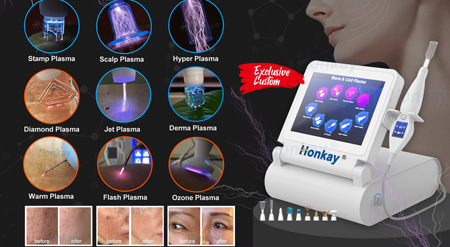
At its core, a fractional plasma pen uses cold plasma technology for skin. That means it generates ionized gas at atmospheric pressure — but at a much lower thermal output than traditional hot plasma devices.
Instead of aggressively burning the epidermal layer, it delivers fractional micro-channels in a spaced pattern. Think of it as “micro-communication” with your skin rather than shouting at it.
Because the energy is distributed fractionally, it reduces excessive heat diffusion. Translation? Less collateral damage, shorter recovery period, and typically no thick carbon crusts associated with traditional devices.
Let’s clarify a common confusion:
Both stimulate collagen. But the fractional approach aims for skin rejuvenation without needles and without aggressive surface trauma.
In many clinical studies within professional aesthetics, cold plasma technology shows promise for improving skin tone, tightening effect, and overall texture with a gentler safety profile.
The eye area is delicate. When clients ask about plasma pen results for eyes, safety is their top concern.
A properly used plasma pen for under eye bags can:
Because fractional delivery minimizes thermal spread, it lowers the risk of pigment changes compared to older spark-style devices — especially when performed by a trained aesthetician.
Downtime for plasma pen around the eyes? Often a few days of mild redness and slight swelling, rather than heavy crusting.
Stretch marks are essentially areas where elastin and collagen fibers have been disrupted. That’s where plasma pen treatment for stretch marks becomes interesting.
By stimulating fibroblast activity:
Cold plasma creates micro-channels that encourage remodeling without deep tissue trauma. Results aren’t overnight, but with multiple sessions, many see visible improvement.
Here’s the honest answer:
A fractional plasma pen can be considered relatively safe when:
Because it’s non-invasive (no needles, no deep incisions), the risk profile is generally lower than surgical alternatives.
However, improper use — especially when people experiment with how to use fractional plasma pen at home without adequate training — increases risks like hyperpigmentation or uneven results.
Cold plasma doesn’t mean zero heat. It simply means reduced thermal intensity.
Typical recovery period includes:
Topical numbing may be used during treatment, depending on sensitivity.
The healing phase supports:
Avoid direct sun exposure, maintain hydration, and use barrier-supporting skincare.
Even with improved safety of cold plasma device systems, caution is needed for:
Consulting an experienced aesthetician is essential.
Before booking or buying:
If you’re considering at-home use, be realistic. These devices require understanding of skin anatomy, epidermal response, and energy control.
If the “fire pen” era scared you off, the newer fractional plasma pen approach offers a more refined option for:
Is it magic? No.
Is it promising when done correctly? Absolutely.
The key isn’t just the technology — it’s the technique.
If you’re struggling with puffiness, sagging eyelids, or stretch marks, tell me:
.jpg)


 English
 中文
中文