For years, Botox has dominated the anti-aging market as the go-to solution for wrinkles and fine lines. Its promise of quick results and zero downtime made it a household name in aesthetic treatment. But as consumer awareness grows, many people are beginning to ask a deeper question:
Do I want temporary muscle freezing — or long-term skin regeneration?
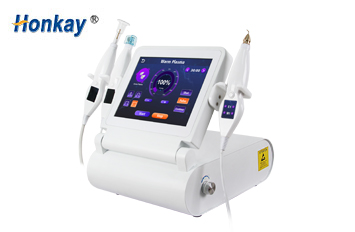
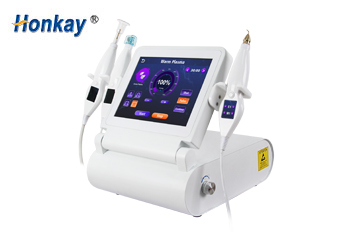
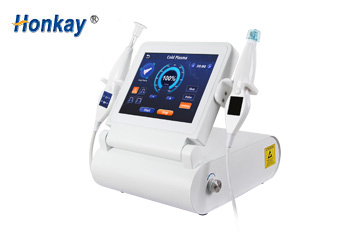
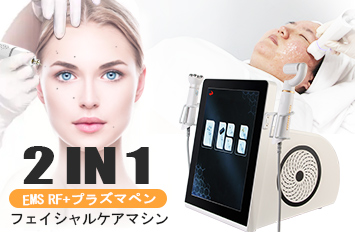
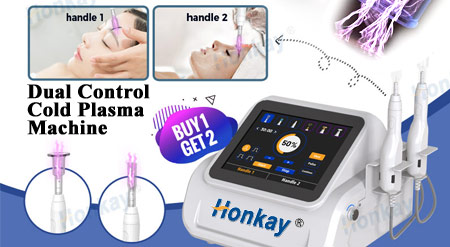
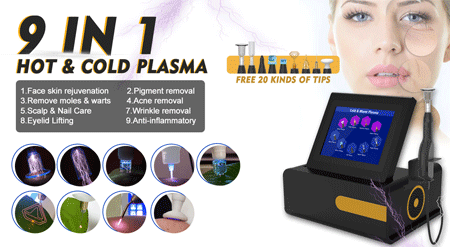
This shift in mindset has fueled the rapid rise of the professional fibroblast plasma pen, a non-invasive skin tightening technology designed to regenerate the skin from within rather than mask the signs of aging. For individuals seeking a needle-free, structural approach to skin rejuvenation, the plasma pen device has become an increasingly compelling alternative.
Fear of injections, concerns about unnatural facial expressions, and the desire for longer-lasting results are driving more professionals and clients to explore plasma-based treatments.
.JPG)
A plasma jet pen operates by generating ionized gas (plasma) through controlled arc discharge, typically using nitrogen. When this plasma arc touches the skin’s surface, it creates precise micro-trauma without breaking the epidermal layer.
This targeted thermal energy triggers a natural biological response:
Unlike injectable treatments, plasma skin tightening works by stimulating the skin’s own regeneration cycle. Tiny carbon crusts form at the treatment points, initiating a healing process that leads to visible lifting and resurfacing over time.
This technology is widely used for:
.jpg)
| Feature | Botox | Plasma Pen Device |
|---|---|---|
| Core Principle | Muscle relaxation (temporary freezing) | Collagen regeneration & skin restructuring |
| Treatment Focus | Dynamic wrinkles | Skin laxity, sagging, fine lines |
| Duration of Results | 3–4 months | 2–3 years or longer |
| Downtime | None | 5–7 days (carbon crust healing process) |
| Skin Quality Improvement | No | Yes (elasticity & texture) |
| Injectables Required | Yes | No |
Botox works by blocking nerve signals to muscles, reducing movement-related wrinkles. However, it does not improve skin quality, elasticity, or long-term sagging.
In contrast, the professional fibroblast plasma pen addresses aging at a structural level. By stimulating fibroblast activity and collagen remodeling, it delivers professional skin tightening results that evolve and improve over time rather than fade.
This is why plasma treatments are increasingly chosen for:
Patients often ask about the plasma pen healing process and results timeline. After treatment, carbon crusts naturally fall off within 5–7 days. Full collagen remodeling continues for several weeks, with visible tightening improving over months.
Key considerations:
Many professionals also explore fibroblast therapy at home using certified devices, though professional-grade plasma pens remain the gold standard for safety and consistency.
.jpeg)
If your goal is quick, short-term wrinkle smoothing for events or maintenance, Botox may still serve a purpose.
But if you are seeking:
Then the professional fibroblast plasma pen represents a more advanced, future-focused solution.
Plasma technology is not about freezing time — it’s about teaching the skin to renew itself.
With proper aftercare, including sun protection and allowing carbon crusts to fall off naturally, plasma skin tightening offers a powerful path to lasting rejuvenation.
For professionals and clinics aiming to deliver long-term results, investing in a high-quality plasma pen device is no longer a trend — it’s a strategic upgrade.
We support chassis design, logo design, and finding a partner who wants to develop a beauty instrument business. Contact us for more information.
Email: hk6@huang-kai.com
WhatsApp: +86 13751821218


 English
 中文
中文